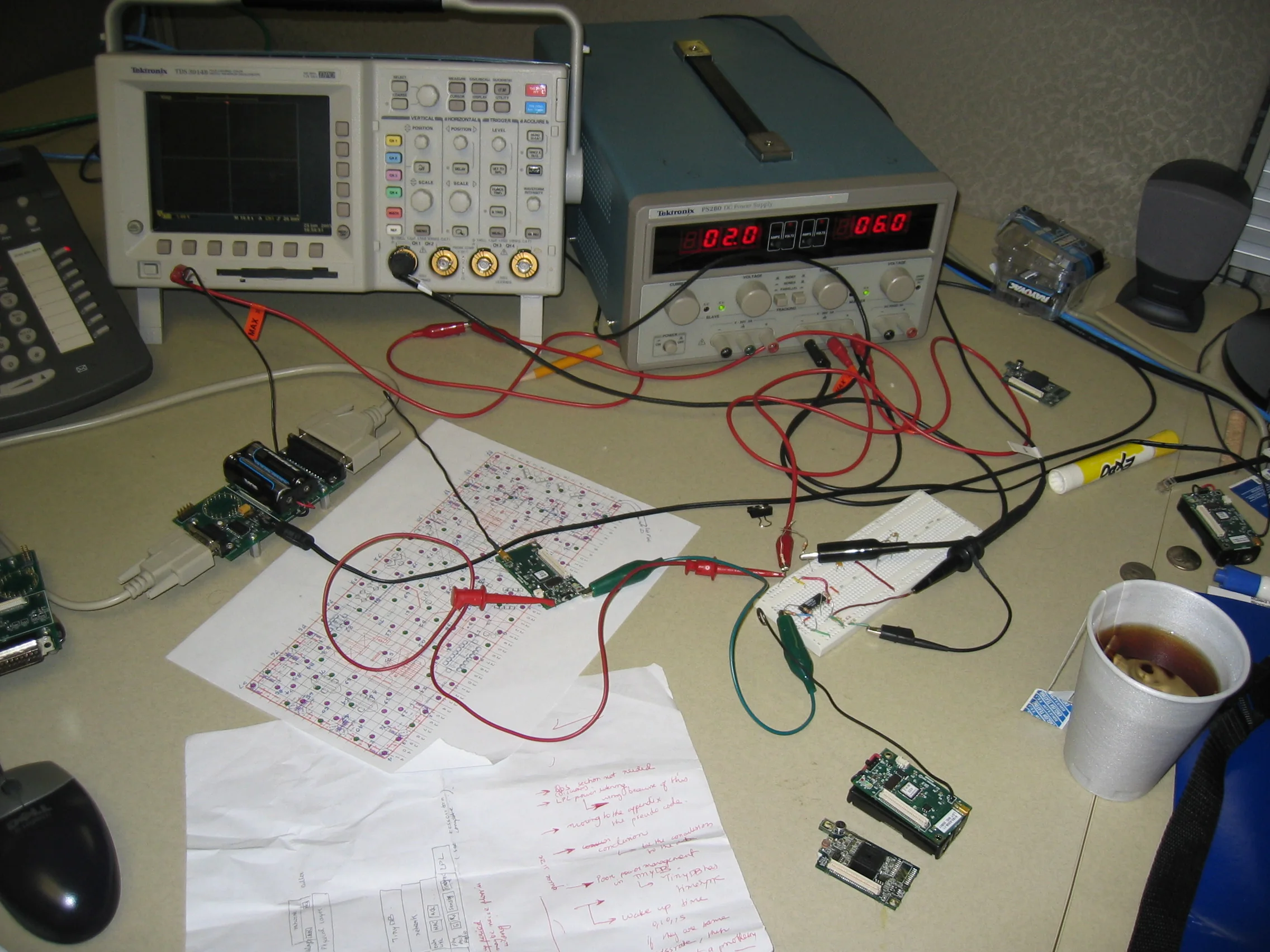
Analyse large sensor networks. Distributed network protocol optimised based on power, longevity, and data trans-mitted. My research focused on applying the parallel computing algorithms to the Sensornet to improve the performance (data throughput, interactivity, and accuracy) of application while considering the new set of constrains posed by the Sensornets – power consumption and channel contention.
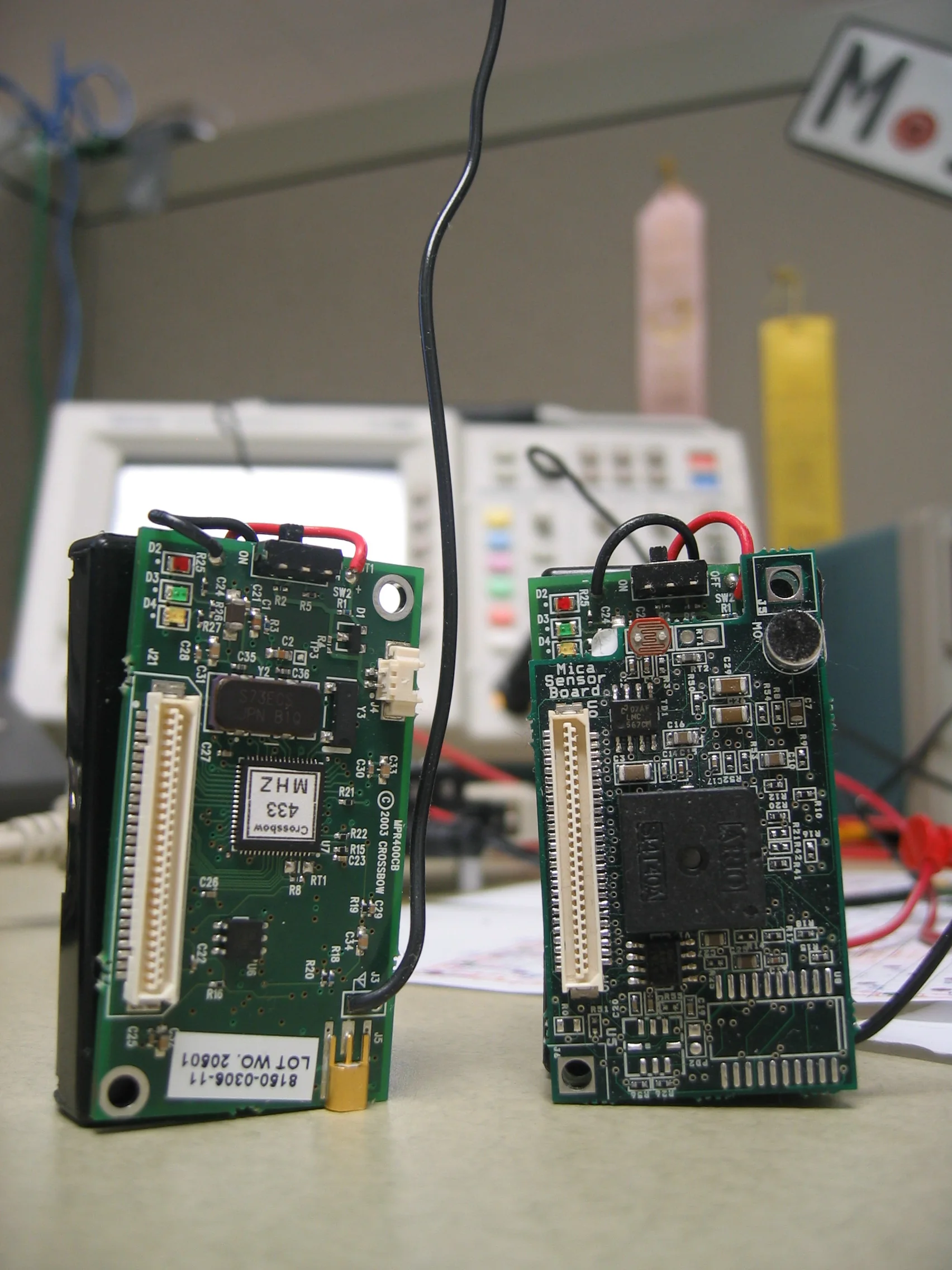 |
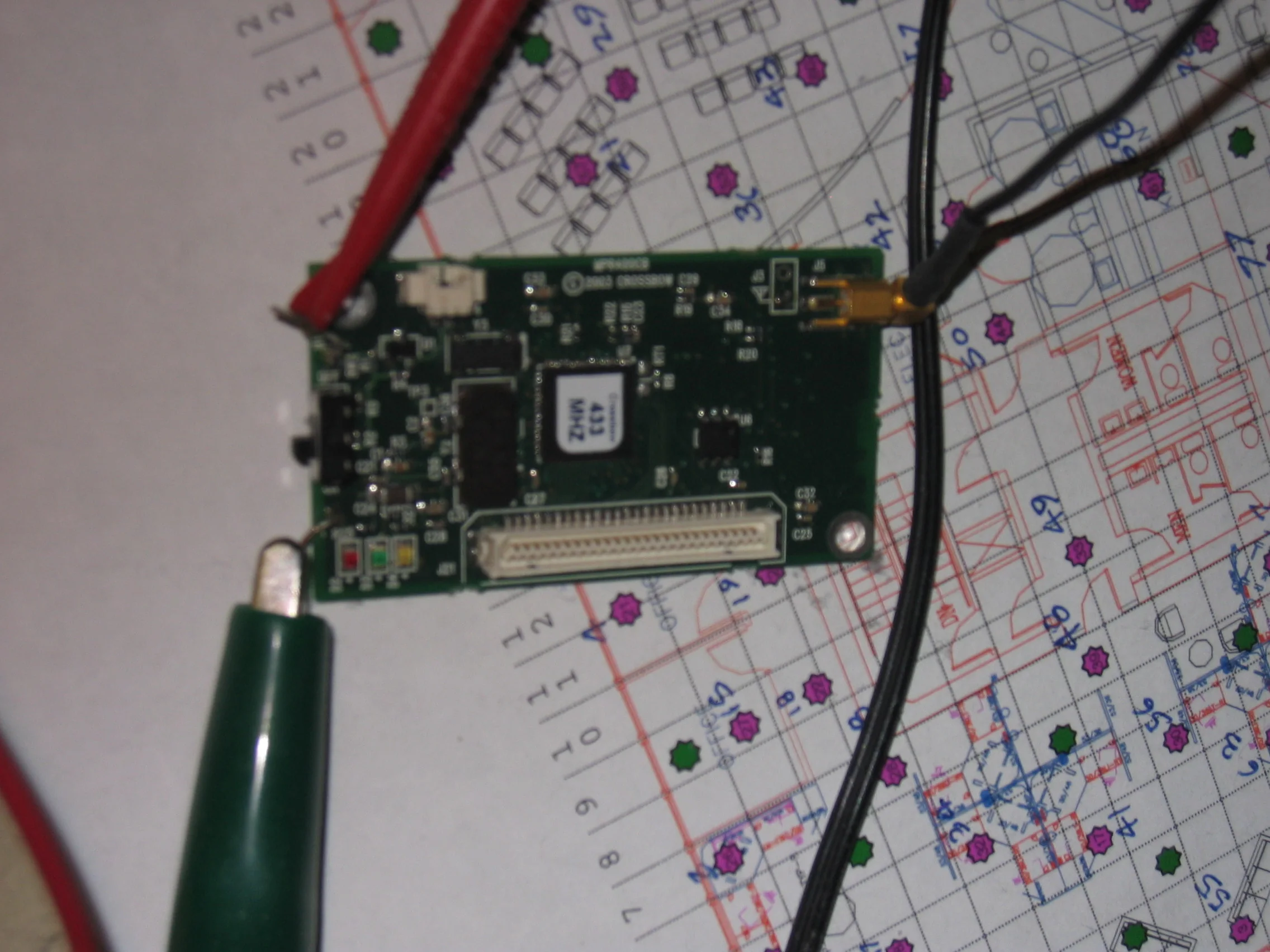
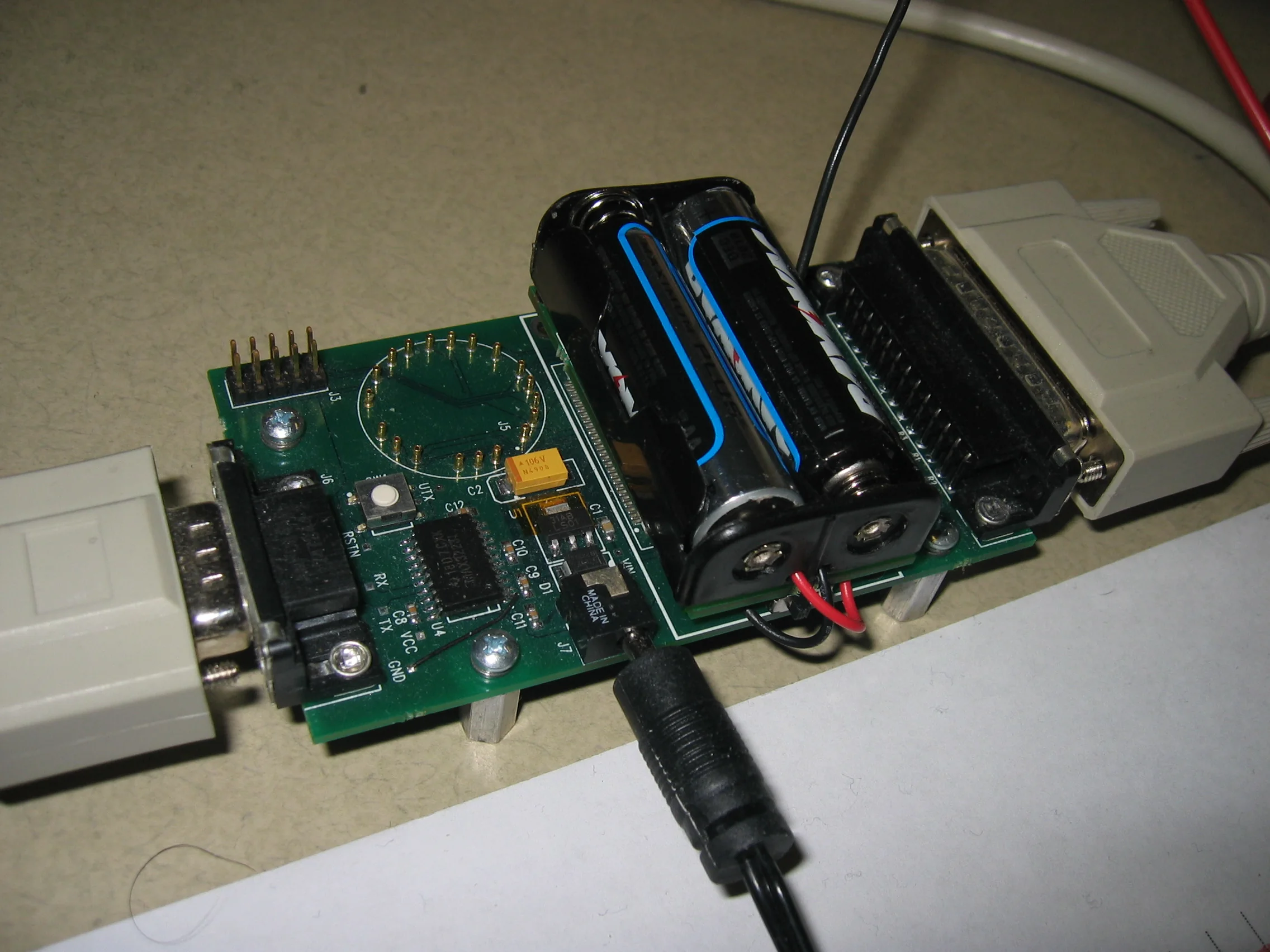
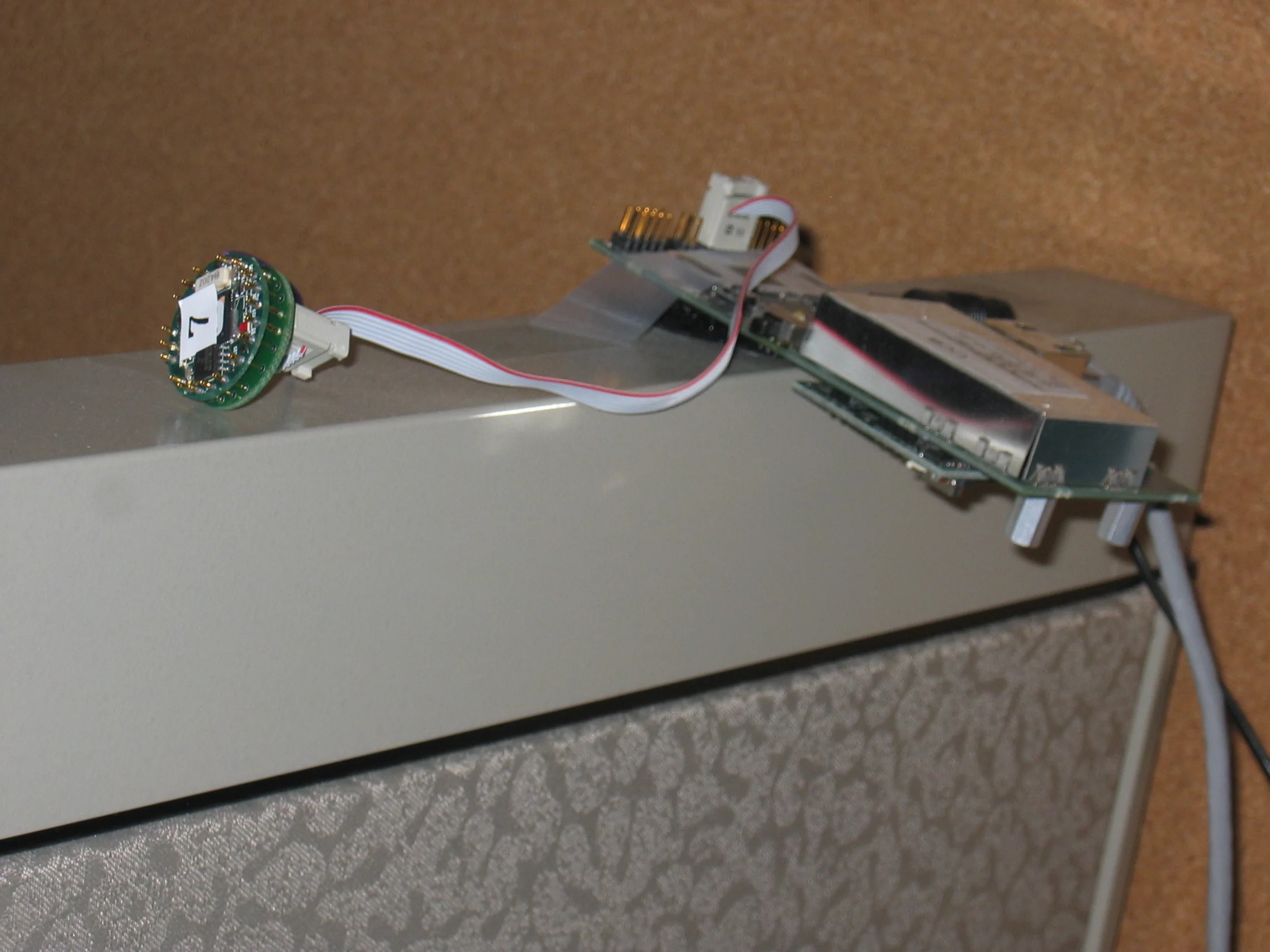
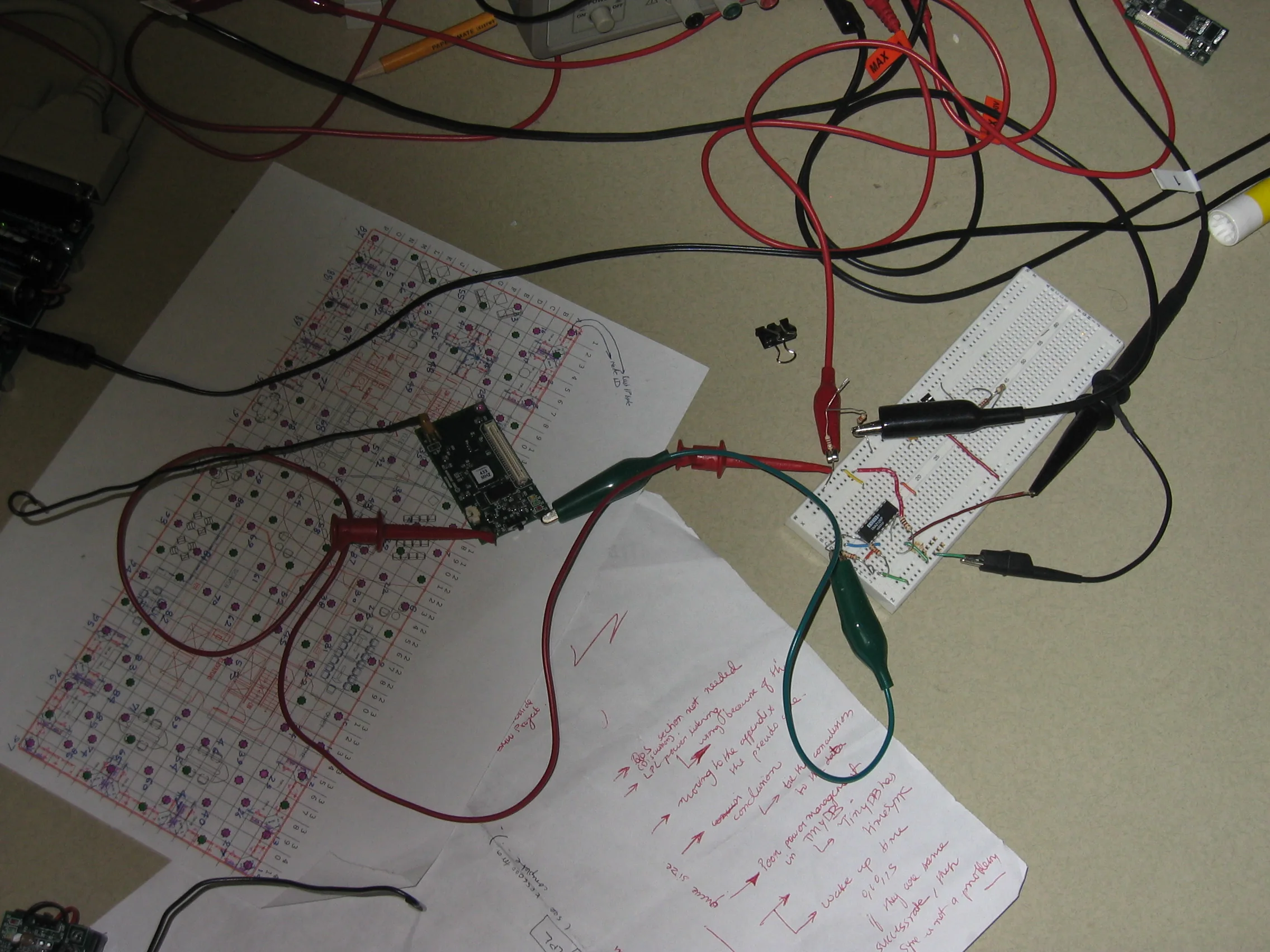
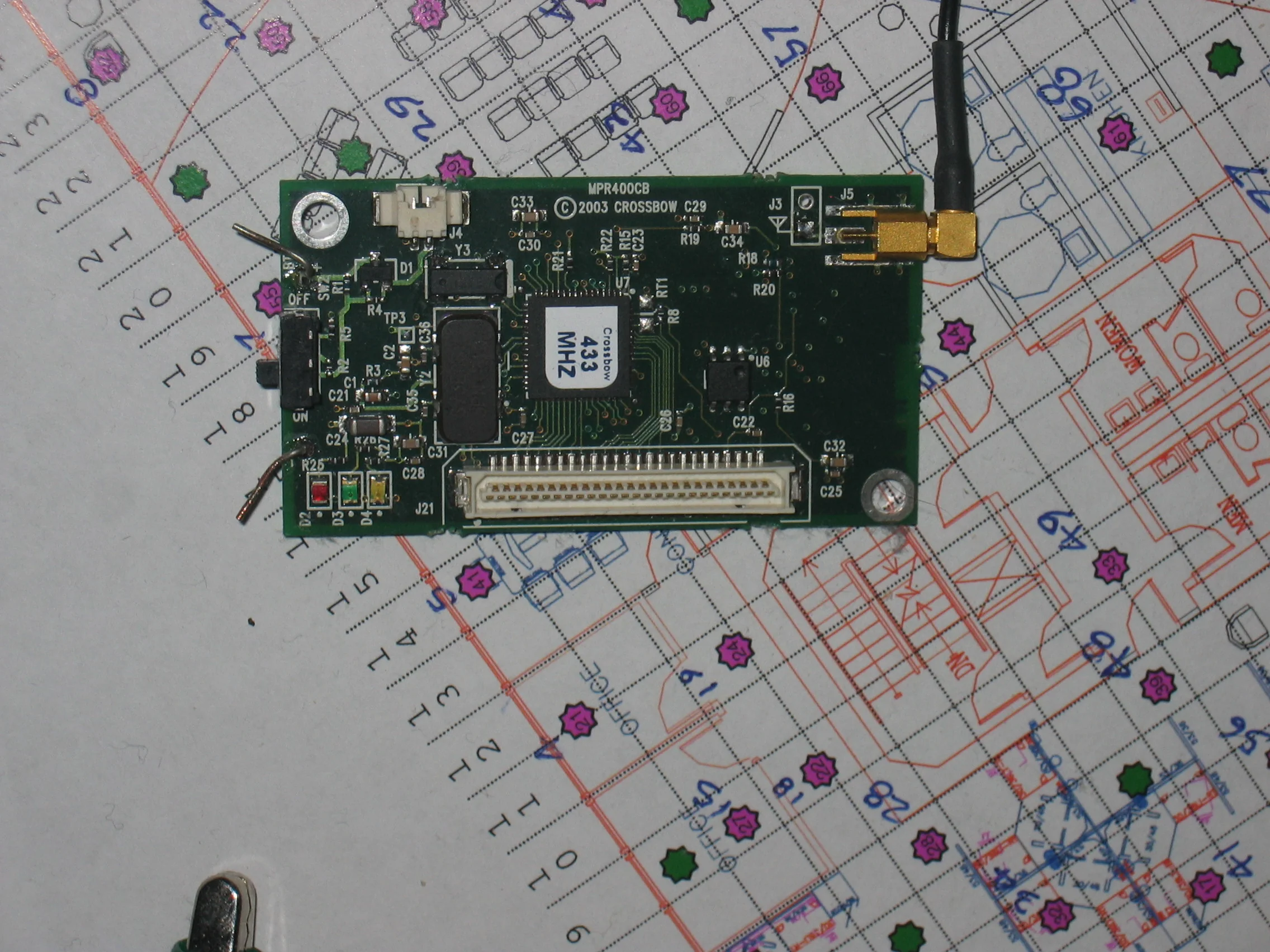
| Sensors Used: Mica Motes |
The broader objective was to provide some level of quality of service in Sensornet. Sensornet is moving towards the next stage of evolution where best effort delivery is not good enough. Moreover, sometime even a high delivery rate of 0.9 is not acceptable. This becomes imperative in optimizations like in-network data aggregation, where a single message may represent data from multiple sensor nodes. System interactivity and network longetivity are the other Quality of Service requirements that needs to know in advance and maintained though out the Sensornet deployment.
The research findings were published in IEEE ICPS 2005, July 2005, Greece as paper titled
End-to-End Performance Characterization of Sensornet Multihop Routing. I was invited to UC Riverside to give a lecture on my work at Intel Research. The title of the presentation was
Performance of Multihop Routing in Dense Sensor Network Deployments.
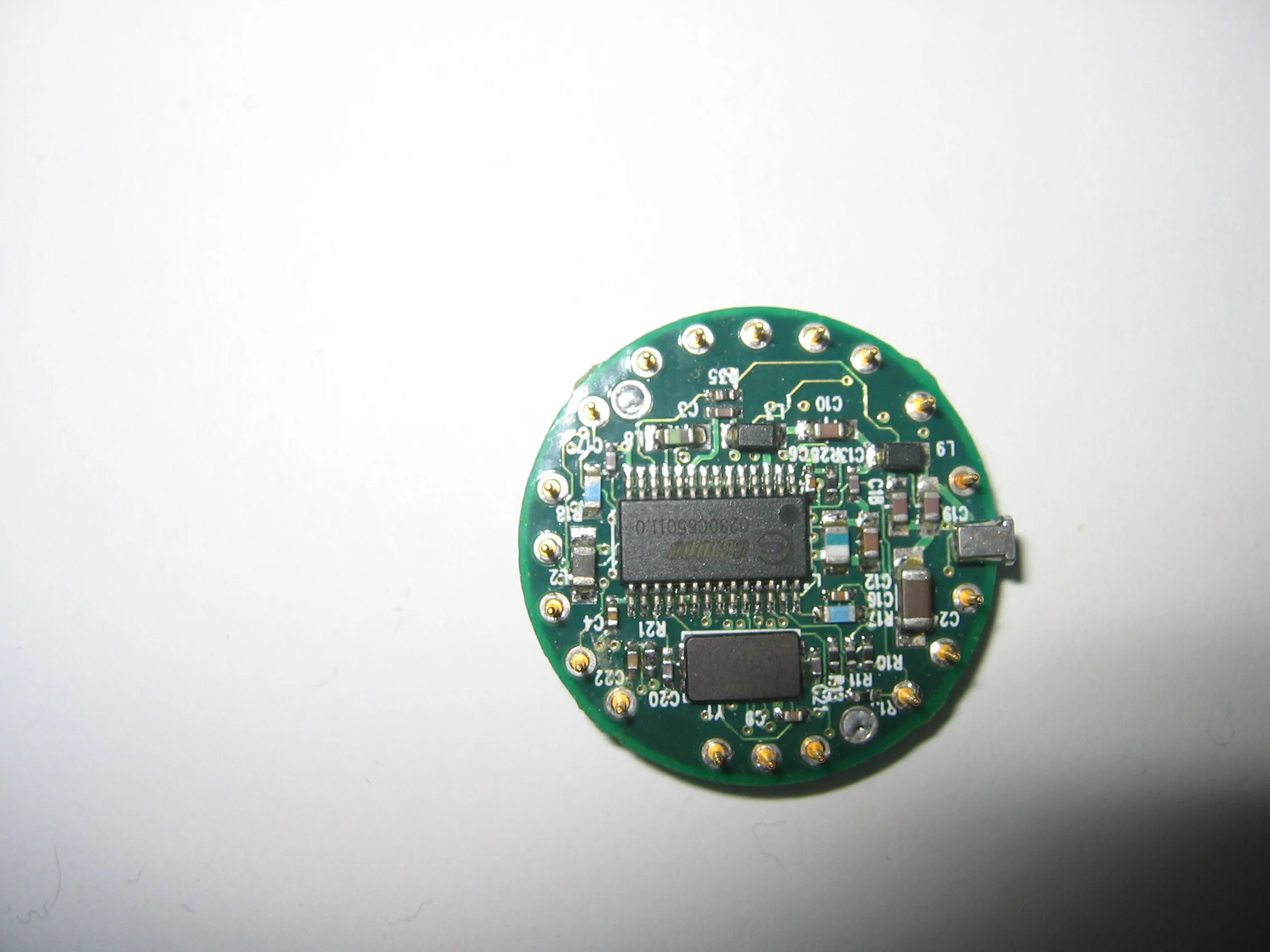 |
| Smaller version of the Mica Motes |
References
- Aditya Mohan, Wei Hong, David Gay, Phil Buonadonna, Alan Mainwaring, “End-to-End Performance Characterization of Sensornet Multihop Routing”, in IEEE ICPS 2005, July 2005, Greece.
- Aditya Mohan, Wei Hong, David Gay, Phil Buonadonna, Tom Doeppner, Alan Mainwaring, “Performance of Multihop Routing in Dense Sensor Network Deployments”, Intel Research Berkeley Tech Report, 2005
- Invited Talk @ UC Riverside, "Performance of Multihop Routing in Dense Sensor Network Deployments"
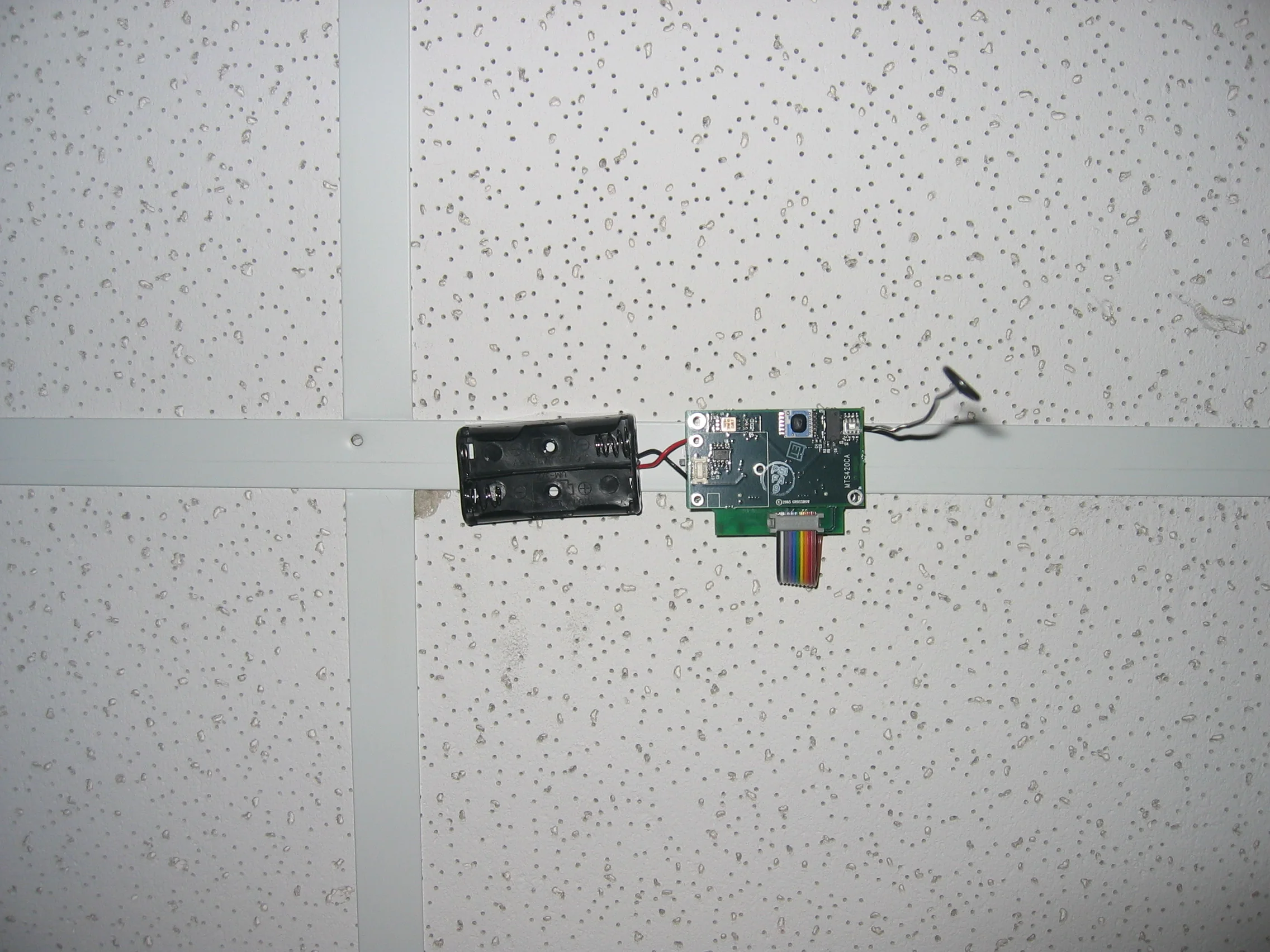 |
| Add caption |
 XMOHAN